
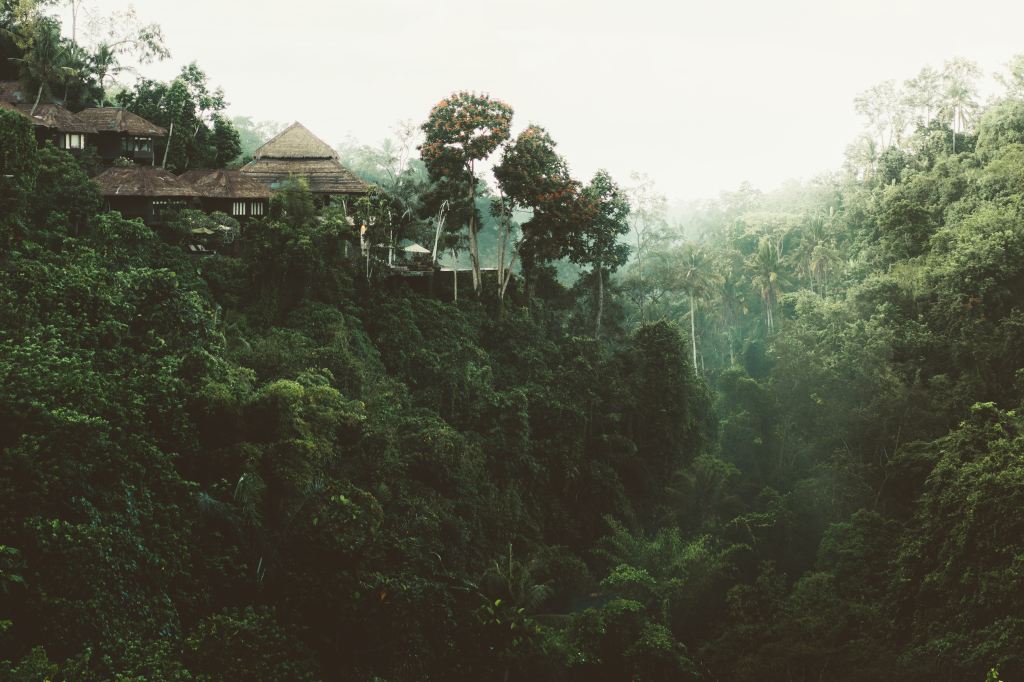
Photo by Joshua Newton on Unsplash
The Treehouse Castaways. It’s been ten plus years since the idea first lodged itself in my brain: I was fourteen and hardly knew what I was taking on at the time. Indeed, the story has grown a lot since then (as well as changed in certain ways), as I have. But like my characters, who are only a little younger than I was then, I like to think that I grew and learned in ways that informed my writing of them and of the story, which is as close to my heart as anything can be. Without the incubation period and the long years of struggling through structural issues, learning how to show not tell, learning to put together something of this size and complexity, I would not have the story that I do now.
So what is this story all about, you must be asking. I’ve kept it under wraps long enough, I should say. Here’s what the Treehouse Castaways is all about:
A boy. A cursed lake. A city of monstrous trees where secrets and magic are housed within them.
But there is so very much more than that. This story came together, like I said, over a ten-year period where I veritably absorbed everything I could through a lens of “how can I make this even bigger and better.” I owe so many great works out there—be they novels, television series, animes, film, graphic novels, video games—a debt of gratitude for their fanning the inspiration inside me.
The first work that planted the initial seed is a little story called Peter Pan—I think you know the one. A boy who refuses to grow up. A magical land that stands outside of time. Pirates. Lost boys. Fairies and pixie dust and children that can fly. This story has everything. I like to think that the Treehouse Castaways takes away some of this magic and transforms it into something fresh, something with the heart of Peter Pan—with the heart of never growing up—but something that’s never been done before.
The Treehouse Castaways is fantasy, coming-of-age, YA goodness (think if Peter Pan became a magician in a very Harry Potter-esque manner, and Neverland a place of enormous treehouses where, instead of being filled with pirates, continued to fill with lost boys—and girls—who spoke to trees and took in every manner of creature out there). The Treehouse Castaways is about, at first, not belonging. These are true castaways—people who don’t fit anywhere, seemingly. Although it’s not without its hope. Because the Treehouse Castaways is also about friendship and family and finding connection. It’s about finding meaning in a world that seems devoid of it. It is at once informed by childhood and whimsy, but also by the very truths that dissolve it: war and loss and isolation.
The Treehouse Castaways is at once an adventure story of exploration and discovery: this is important. These were the sorts of stories that kept me going as a child, that filled me with hope and awe and gave me joy to be alive. It’s also important that the characters with which we experience this story are children. There is something to be said about the innocence and fresh perspective that a child brings to everything they encounter. There is more danger and higher stakes for a child going through a trial than there would be for an adult, yet it shows the tenacity of the human spirit, even at such tender ages, when they still overcome them. And it shows other children (even the eighty-year-old ones) that anyone is capable of resourcefulness, courage, and many great things besides.
Of course, you can’t have a fantasy story without a little magic. Don’t worry, there is plenty of that. Magic breeds mystery, and mystery is at the core of this story. For Elijah Hawthorne, the protagonist, mystery is at the core of his being. For who can know oneself and where they belong without a little trouble along the way?

